Here's a breakdown:
* Adaptation: A trait or characteristic that helps an organism survive and reproduce in its specific environment. Adaptations can be physical (like a cheetah's speed) or behavioral (like a bird's migration pattern).
Examples of Adaptations:
* Physical Adaptations:
* Camouflage: A chameleon changing color to blend in with its surroundings.
* Thick fur: A polar bear's fur helps it stay warm in cold climates.
* Long neck: A giraffe's long neck allows it to reach high leaves.
* Behavioral Adaptations:
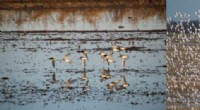
* Migration: Birds flying south for the winter to find warmer temperatures and food.
* Hibernation: Animals like bears sleeping through the winter to conserve energy when food is scarce.
* Mimicry: Some insects have markings that mimic dangerous animals, deterring predators.
How Adaptations Help:
* Survival: Adaptations increase an organism's chances of surviving in its environment by helping it find food, avoid predators, and tolerate challenging conditions.
* Reproduction: Successful adaptations also make it more likely for an organism to find a mate and reproduce, passing on those beneficial traits to its offspring.
Important Note: Adaptations arise through evolution. Over many generations, organisms with traits that make them better suited to their environment are more likely to survive and reproduce, passing those traits on. This process of natural selection gradually shapes organisms to be well-adapted to their surroundings.