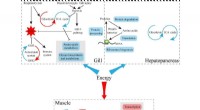
1. Carbohydrates: These are organic compounds made up of carbon, hydrogen, and oxygen. They serve as a primary energy source for living organisms and also play structural roles. Examples include sugars, starches, and cellulose.
2. Lipids: These are a diverse group of molecules that are generally insoluble in water. They include fats, oils, waxes, and steroids. They serve as energy storage, insulation, and structural components of cell membranes.
3. Proteins: These are large, complex molecules made up of amino acids. They perform a wide variety of functions in living organisms, including catalysis (enzymes), structural support, transport, and defense.
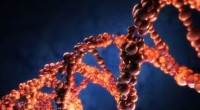
4. Nucleic Acids: These are complex molecules made up of nucleotides. They carry genetic information and are responsible for the synthesis of proteins. Examples include DNA and RNA.