1. Carbohydrates: These are sugars and starches, composed of carbon, hydrogen, and oxygen. They serve as a primary energy source for cells and are also important structural components. Examples include glucose, glycogen, and cellulose.
2. Lipids (Fats): These are fats, oils, waxes, and steroids. They are made up of carbon, hydrogen, and oxygen, but with a higher proportion of carbon and hydrogen. Lipids serve as energy stores, provide insulation, and form cell membranes. Examples include triglycerides, phospholipids, and cholesterol.
3. Proteins: These are large, complex molecules made up of amino acids. They are responsible for a wide range of functions in the cell, including catalyzing reactions (enzymes), transporting molecules, providing structural support, and defending against disease. Examples include enzymes, antibodies, and collagen.
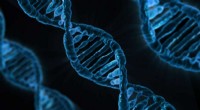
4. Nucleic Acids: These are complex molecules made up of nucleotides. They store and transmit genetic information. Examples include DNA (deoxyribonucleic acid) and RNA (ribonucleic acid).
Let me know if you want to know more about any of these macromolecules!