1. Tundra:
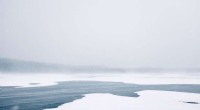
* Arctic Tundra: Found in the northernmost parts of Alaska, characterized by permafrost, low-lying vegetation, and short growing seasons.
* Alpine Tundra: Found in high-elevation areas, similar to arctic tundra but with less permafrost.
2. Boreal Forest (Taiga):
* Spruce-Fir Forest: Dominated by black spruce, white spruce, and balsam fir trees. Found in interior Alaska.
* Birch-Aspen Forest: Mixed forest with birch and aspen trees, commonly found in areas transitioning from tundra to boreal forest.
3. Temperate Rainforest:
* Coastal Temperate Rainforest: Found along the southeastern coast of Alaska, characterized by abundant rainfall, large coniferous trees (Sitka spruce, Western hemlock), and a rich understory.
4. Grasslands:
* Prairie: Found in a small area in the interior of Alaska, characterized by grasses and wildflowers.
* Meadow: Found in wet areas, often near streams and rivers.
5. Wetlands:
* Bogs: Waterlogged, acidic areas dominated by mosses and sedges.
* Fens: Wetlands with mineral-rich water, often dominated by grasses and reeds.
* Marshes: Shallow, standing water areas often dominated by cattails and sedges.
6. Aquatic Biomes:
* Marine: The extensive coastline of Alaska supports a wide variety of marine life, including whales, seals, sea otters, and fish.
* Freshwater: Alaska has countless lakes, rivers, and streams, providing habitats for salmon, trout, and other freshwater fish.
7. Alpine Biome:
* Alpine Tundra: Found in high-elevation mountain regions, characterized by low-growing vegetation and harsh conditions.
This list is not exhaustive, as Alaska's diverse geography leads to a wide range of microclimates and unique habitats within each biome.