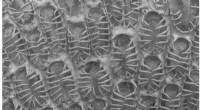
1. Cells: The fundamental unit of life, capable of carrying out all the processes necessary for life.
2. Tissues: Groups of similar cells that work together to perform a specific function. Examples include muscle tissue, nervous tissue, and epithelial tissue.
3. Organs: Structures composed of different tissues that work together for a common purpose. Examples include the heart, lungs, and stomach.
4. Organ Systems: Groups of organs that work together to perform a major body function. Examples include the digestive system, circulatory system, and nervous system.
5. Organism: A complete living being made up of multiple organ systems that work together to sustain life.
Remember: This is a simplification of a complex topic. There are many other levels of organization within the biological world, such as populations, communities, ecosystems, and the biosphere.