1. Comparative Anatomy: This involves comparing the structures of different organisms.
* Homologous Structures: These are structures that have similar underlying anatomy, but may have different functions. For example, the forelimbs of a whale, bat, human, and crocodile all share a similar bone structure, despite having different uses. This suggests they evolved from a common ancestor with that basic bone structure.
* Analogous Structures: These are structures that have similar functions but different underlying anatomy. For example, the wings of a bird and the wings of a butterfly. These structures evolved independently due to similar environmental pressures, not shared ancestry. Analogous structures can be useful in understanding adaptation, but they are less useful in tracing evolutionary relationships.
* Vestigial Structures: These are structures that are reduced or nonfunctional in modern organisms, but were functional in ancestral species. Examples include the appendix in humans, the pelvic bones in whales, and the wings of flightless birds. These structures suggest that the modern organisms evolved from ancestors that had a functional version of the structure.
2. Molecular Biology: This involves comparing the genetic material (DNA or RNA) of different organisms.
* DNA Sequencing: By comparing the sequences of DNA, scientists can identify similarities and differences between species. Species that share a more recent common ancestor will have more similar DNA sequences.
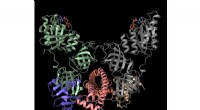
* Protein Comparisons: The amino acid sequences of proteins can also be compared. Similarities in protein sequences suggest a shared ancestry.
By comparing organisms using these methods, scientists can build evolutionary trees, which depict the evolutionary relationships between different species. These trees provide evidence for the descent of all life from a common ancestor.