Abiotic Factors:
* Temperature: Each organism has an optimal temperature range for growth. Extremes of temperature (too hot or too cold) can slow down or even stop growth and can be lethal.
* Light: Light is essential for photosynthesis in plants and some bacteria. Insufficient light can lead to stunted growth, while excessive light can be damaging.
* Water: Water is essential for all living organisms. Lack of water can cause dehydration and hinder growth.
* Nutrients: Organisms require specific nutrients for growth and development. Deficiency in essential nutrients like nitrogen, phosphorus, and potassium can limit growth.
* pH: The acidity or alkalinity of the environment can influence the availability of nutrients and the activity of enzymes, affecting growth.
* Oxygen: Many organisms need oxygen for respiration, which is crucial for energy production and growth.
* Salinity: The salt content of the environment can affect the water balance of organisms and hinder their growth.
* Soil Structure: The physical properties of the soil, like porosity and texture, influence water retention, aeration, and nutrient availability, impacting plant growth.
Biotic Factors:
* Competition: Organisms compete for resources like food, water, and space, which can limit their growth.
* Predation: Predators can control the population size of their prey, indirectly affecting the growth of prey species.
* Parasitism: Parasites can weaken their host, negatively impacting their growth and development.
* Disease: Pathogens like bacteria and viruses can cause disease, affecting the health and growth of organisms.
* Symbiosis: Some symbiotic relationships, like mutualism, can benefit both organisms, promoting growth and development.
Other Factors:
* Pollution: Air, water, and soil pollution can introduce harmful chemicals and substances that disrupt growth and development.
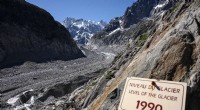
* Climate Change: Changes in temperature, precipitation patterns, and extreme weather events can stress organisms and affect their growth.
It's important to note:
* The optimal conditions for growth can vary significantly depending on the specific species.
* The interaction of multiple factors can create complex effects on growth.
* Environmental factors can also influence the distribution and abundance of organisms.
Understanding the various environmental factors affecting organism growth is crucial for conservation, agriculture, and managing ecosystems.