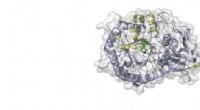
1. Proteases: These enzymes break down protein-based stains like blood, milk, egg, and grass. Examples include subtilisin and peptidase.
2. Amylases: These enzymes break down starch-based stains like food, sauces, and gravy. Examples include alpha-amylase and glucoamylase.
3. Lipases: These enzymes break down fatty stains like oil, grease, and butter. Examples include lipase and esterase.
4. Cellulases: These enzymes break down cellulose fibers, which can be found in plant-based stains like fruit and vegetables. Examples include cellulase and xylanase.
5. Mannanases: These enzymes break down mannan, a type of carbohydrate found in certain types of bacteria and fungi. They are often used in detergents to remove stains from biological materials.
6. Pectinases: These enzymes break down pectin, a substance found in fruits and vegetables. They are used to remove stains from fruits and vegetables and to improve the overall cleaning performance of detergents.
7. Oxidases: These enzymes are used to remove stains from colored fabrics. They work by oxidizing the dye molecules, breaking them down and making the stain less visible.
These enzymes are usually added in a powdered or granulated form, and they are activated by the water temperature during the washing cycle. They work best in warm or hot water.
It's important to note that biological washing powders are not suitable for all fabrics. They should not be used on delicate fabrics like silk or wool, as they can damage the fibers. It is always advisable to check the care label on your clothes before using any detergent.