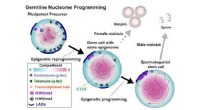
1. Store and protect the cell's genetic information (DNA): DNA contains the instructions for building and maintaining the cell, and for all cellular processes. The nucleus ensures the integrity of this DNA by:
* Packaging DNA into chromosomes: This allows for organized storage and efficient replication.
* Controlling access to the DNA: The nuclear envelope, a membrane surrounding the nucleus, regulates which molecules can enter and exit, protecting the DNA from damage and controlling gene expression.
2. Direct protein synthesis: The nucleus dictates which proteins the cell needs to make and when by:
* Transcription: The DNA within the nucleus is used as a template to create RNA molecules (messenger RNA or mRNA).
* RNA processing: The mRNA is processed and modified within the nucleus before being exported to the cytoplasm, where it's used to create proteins by ribosomes.
3. Regulate cellular activities: The nucleus acts as a central command center, orchestrating:
* Cell division: The nucleus replicates its DNA and divides into two daughter nuclei during cell division, ensuring that each new cell receives a complete set of genetic instructions.
* Cell differentiation: The nucleus can control which genes are active in different cell types, contributing to specialized functions of different tissues.
In summary, the nucleus is essential for cell survival, growth, and function. It holds the blueprint for life, directs protein production, and regulates cellular processes.