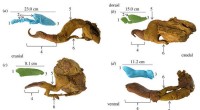
1. Fossil Record: Fossils provide a direct record of past life and show a gradual change in organisms over time. This record reveals:
* Transitional fossils: Fossils that exhibit characteristics of both ancestral and descendant groups, demonstrating evolutionary links. For example, the fossil record shows a gradual transition from fish to amphibians, with intermediate forms possessing features of both.
* Extinct species: Fossil evidence reveals numerous extinct species, supporting the idea that life on Earth is not static but constantly changing.
2. Comparative Anatomy: Comparing the anatomical structures of different species reveals similarities that suggest common ancestry.
* Homologous Structures: These are structures with similar underlying anatomy but different functions due to adaptation to different environments. For example, the forelimbs of humans, whales, bats, and birds have the same bone structure despite serving different functions. This similarity points to a common ancestor.
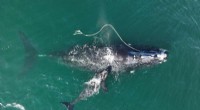
* Vestigial Structures: These are reduced or non-functional structures that were present and functional in ancestral organisms. Examples include the appendix in humans and the pelvic bones in whales. These structures suggest a shared ancestry with organisms where these structures are fully functional.
3. Molecular Biology: The study of DNA and protein sequences provides strong evidence for evolution.
* DNA Similarities: Species that are more closely related have more similar DNA sequences, reflecting their shared evolutionary history. For example, humans and chimpanzees share over 98% of their DNA.
* Universal Genetic Code: Almost all living organisms use the same genetic code, indicating a common ancestor. This shared code is a powerful testament to the unity of life on Earth.
4. Biogeography: The geographical distribution of species provides insights into evolution.
* Continental Drift: The movement of continents over millions of years has influenced the distribution of species. For example, the presence of marsupials in Australia, but not in other continents, is explained by the isolation of Australia from other landmasses.
* Island Biogeography: Islands often have unique species that are closely related to mainland species, suggesting that they evolved from ancestors that migrated to the island. The diversity of species on islands often differs from the mainland, reflecting adaptations to the island's environment.
These are just a few of the many pieces of evidence that support the theory of evolution. It's a well-supported scientific theory, and the evidence continues to grow.