1. Genetics:
* Genes: The fundamental units of heredity, located on chromosomes, carry the instructions for building and maintaining an organism. Each gene codes for a specific protein or RNA molecule that influences a particular trait.
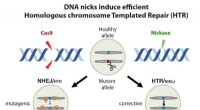
* Alleles: Different versions of a gene. Organisms inherit two alleles for each gene, one from each parent. The combination of alleles determines the specific trait expressed.
* Genotype: The genetic makeup of an organism, represented by the specific combination of alleles it possesses.
* Phenotype: The observable characteristics of an organism, resulting from the interaction of genotype and environment.
2. Environment:
* Nutrition: Access to essential nutrients can influence growth, development, and overall health.
* Climate: Temperature, humidity, and sunlight can affect physical traits, such as coat color or plant height.
* Physical surroundings: The environment can provide selective pressures that favor certain traits, leading to evolutionary adaptation.
3. Epigenetics:
* Epigenetic modifications: Changes in gene expression that do not involve alterations to the underlying DNA sequence. These modifications can be influenced by environmental factors and can be passed down to offspring.
* Gene regulation: The control of gene expression, which can vary depending on the specific needs of the organism and its environment.
4. Development:
* Cell differentiation: The process by which cells specialize into different types with specific functions.
* Organogenesis: The formation of organs from specialized tissues.
* Growth and maturation: The progressive development of the organism from a fertilized egg to adulthood.
5. Randomness:
* Mutations: Random changes in the DNA sequence, which can introduce new traits.
* Genetic recombination: The shuffling of genes during sexual reproduction, leading to offspring with unique combinations of traits.
In summary, the traits of an organism are a complex result of the interaction between its genetic blueprint (genotype), the environment it experiences, epigenetic modifications, developmental processes, and random factors like mutations. This complex interplay determines the unique characteristics of every individual organism.