Here's the breakdown:
* Species is the basic unit of classification in biology. It's defined as a group of organisms that can interbreed and produce fertile offspring.
* Most living things belong to a species. This is because the definition of a species relies on the ability to reproduce, which is a fundamental characteristic of life.
* Exceptions exist. There are a few situations where it's difficult to define a species, such as:
* Asexually reproducing organisms: Some organisms reproduce without mating (e.g., bacteria, some plants). They don't fit the traditional definition of a species, as they don't interbreed.
* Hybrids: Sometimes different species can interbreed and produce offspring (e.g., mules, ligers). These hybrids blur the lines between species.
* Newly evolving organisms: When new species are forming, it can be difficult to determine where one species ends and another begins.
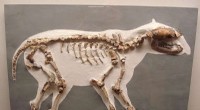
* Extinct species: We can only classify extinct species based on fossil evidence, which can be incomplete.
So, while it's generally true that all living things belong to a species, there are some cases where the concept of a species becomes more complex.