1. Transcription:
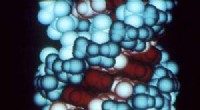
* DNA (deoxyribonucleic acid) contains the genetic instructions for making proteins.
* RNA polymerase (an enzyme) reads the DNA sequence of a gene and creates a copy called messenger RNA (mRNA).
* This mRNA molecule carries the genetic code from the DNA in the nucleus to the cytoplasm, where protein synthesis occurs.
2. Translation:
* The mRNA molecule binds to a structure called a ribosome.
* The ribosome reads the mRNA sequence in groups of three nucleotides called codons.
* Each codon corresponds to a specific amino acid.
* Transfer RNA (tRNA) molecules carry the amino acids to the ribosome.
* The ribosome assembles the amino acids in the order specified by the mRNA, forming a polypeptide chain.
* This polypeptide chain folds into a specific 3-dimensional structure, forming the functional protein.
So, in summary, the following components are essential for protein synthesis:
* DNA: Contains the genetic instructions.
* RNA polymerase: Creates the mRNA copy.
* mRNA: Carries the genetic code to the ribosome.
* Ribosome: Reads the mRNA and assembles the amino acids.
* tRNA: Delivers the amino acids to the ribosome.
* Amino acids: Building blocks of proteins.
Other factors that can influence protein synthesis include:
* Transcription factors: Proteins that regulate the rate of transcription.
* Ribosomal proteins: Components of the ribosome.
* Chaperone proteins: Assist in protein folding.
* Environmental factors: Temperature, pH, and nutrient availability can affect protein synthesis.