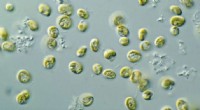
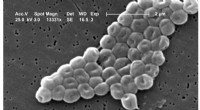
Here's a breakdown of how they interact with their hosts:
* Bacteria: Some bacteria are parasites, meaning they live in or on a host and benefit at the host's expense. They obtain nutrients from the host's cells or fluids. Others are mutualistic, meaning they benefit the host while also benefiting themselves. For example, bacteria in our gut help us digest food.
* Viruses: Viruses are not living organisms. They are essentially packages of genetic material (DNA or RNA) surrounded by a protein coat. To reproduce, they need to infect a host cell. They then hijack the host cell's machinery to make more copies of themselves. This process often damages the host cell, leading to disease.
Therefore, bacteria and viruses don't "eat" specific parts of the host. Instead, they take advantage of the host's resources for their own survival and reproduction.