* Natural selection is the process where organisms with traits better suited to their environment are more likely to survive and reproduce.
* Phenotype refers to the observable characteristics of an organism, which are influenced by its genotype (genes) and the environment.
Natural selection affects phenotype distributions in several ways:
* Directional selection: Favors one extreme of a trait, shifting the distribution towards that extreme. (Example: Giraffes with longer necks have better access to food, so neck length shifts toward longer necks over time.)
* Stabilizing selection: Favors the average trait, reducing variation in the population. (Example: Babies with average birth weights are more likely to survive than those who are too small or too large.)
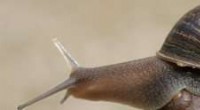
* Disruptive selection: Favors both extremes of a trait, leading to two distinct phenotypes in the population. (Example: Snails with very light or very dark shells are better camouflaged in their respective environments, while intermediate colors are more vulnerable.)
The way natural selection *does not* affect phenotype distributions is:
* Random selection: Natural selection is not random. It acts on traits that provide an advantage in a particular environment, favoring those that increase survival and reproduction.
Therefore, the answer is: Random selection