Viruses
* Non-living: Viruses are not considered living organisms. They lack the essential characteristics of life, such as metabolism, growth, and reproduction on their own.
* Simple Structure: Viruses consist of a protein coat (capsid) surrounding a core of genetic material (DNA or RNA). They lack internal cellular structures like organelles.
* Obligate Intracellular Parasites: Viruses cannot replicate independently. They require a host cell to provide the machinery and resources for their reproduction.
* Replication: Viruses inject their genetic material into a host cell, hijacking the cell's machinery to create new viral particles.
* No independent metabolism: They do not have their own metabolic processes to obtain energy or synthesize molecules.
* Size: Viruses are much smaller than cells, typically ranging from 20 to 400 nanometers in diameter.
Cells
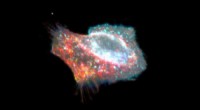
* Living: Cells are the basic unit of life. They exhibit all the characteristics of living organisms, including metabolism, growth, reproduction, and response to stimuli.
* Complex Structure: Cells possess a membrane-bound nucleus containing genetic material, as well as various other internal structures called organelles, each with specific functions.
* Independent organisms: Cells can exist independently and carry out all the necessary processes for life.
* Reproduction: Cells reproduce through cell division, producing two daughter cells.
* Active metabolism: Cells have their own metabolic processes to obtain energy, synthesize molecules, and maintain cellular functions.
* Size: Cells are much larger than viruses, ranging from 1 to 100 micrometers in diameter.
Organelles
* Subcellular Structures: Organelles are specialized structures within cells that perform specific functions. They are not independent entities like cells or viruses.
* Examples: Examples of organelles include the nucleus, mitochondria, Golgi apparatus, endoplasmic reticulum, and lysosomes.
* Importance: Organelles are essential for the proper functioning of a cell and contribute to its overall survival.
In Summary:
* Viruses are non-living entities that require a host cell for reproduction, while cells are living organisms capable of independent life.
* Viruses lack the complex structures and organelles found in cells.
* Organelles are specialized components within cells that perform specific functions, contributing to the overall functioning of the cell.
Understanding these differences is crucial in comprehending the distinct nature of viruses and cells. While both can cause diseases, they differ drastically in their structure, life cycle, and impact on host organisms.