1. Limited Technology:
* Lack of Powerful Microscopes: Before the invention of the microscope, people could only observe things with the naked eye. Cells and microorganisms are far too small to be seen without magnification. Early microscopes were also crude and limited in their magnification capabilities.
* Difficulties in Sample Preparation: Even with early microscopes, it was difficult to prepare samples in a way that allowed for clear observation of cells. Cells are transparent and require specific techniques like staining to be visible.
2. Philosophical and Scientific Beliefs:
* The Theory of Spontaneous Generation: This widely held belief stated that living organisms could arise from non-living matter. This theory hindered the acceptance of the idea that life could be composed of tiny, unseen units.
* Focus on Macro-Level Observations: Science at the time focused on large-scale phenomena that could be observed directly. The idea of tiny, independent units of life was not considered.
3. Lack of a Comprehensive Theory:
* No Framework for Understanding: Without a theory of cell structure and function, it was difficult to interpret the observations made with early microscopes.
4. Religious and Cultural Beliefs:
* Opposition to Materialistic Explanations: Some religious beliefs opposed the idea of a purely material basis for life.
The Breakthrough:
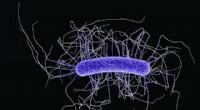
* The Work of Robert Hooke and Antonie van Leeuwenhoek: In the 17th century, these scientists made significant contributions to microscopy. Hooke's observations of cork cells were the first documented descriptions of cells. Leeuwenhoek's observations of microorganisms (e.g., bacteria) further revolutionized our understanding of life's diversity.
It was a combination of technological advancements, changing scientific beliefs, and dedicated observation by pioneers like Hooke and Leeuwenhoek that led to the eventual realization of the existence of cells and other tiny living things.