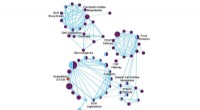
* The Tree of Life is Complex: Our understanding of the evolutionary relationships between bacteria is constantly evolving. The tree of life is complex and there's ongoing research to determine the exact relationships between different bacterial lineages.
* No "Missing Link": Unlike the search for a missing link between humans and apes, there isn't one single organism that definitively represents the starting point of all bacteria. Evolution is a gradual process, and the most primitive bacteria likely existed long ago and are no longer around today.
* Horizontal Gene Transfer: Bacteria can exchange genetic material with each other, even between distantly related species. This process, known as horizontal gene transfer, makes it difficult to trace lineage back to a single common ancestor.
However, some groups of bacteria are considered to be among the oldest and most primitive:
* Archaea: These single-celled organisms were initially thought to be bacteria, but they are now classified as a separate domain of life. They often live in extreme environments like hot springs and salt lakes, and some scientists believe they represent an early branch of life.
* Cyanobacteria: These photosynthetic bacteria are thought to have played a key role in the evolution of oxygen on Earth. They are believed to be among the oldest known forms of life.
* Thermophilic Bacteria: Bacteria that thrive in very hot environments are often considered to be primitive because they likely evolved in a time when Earth's surface was much hotter.
In conclusion: While we can't pinpoint the "most primitive" bacterium, studying these groups helps us understand the early evolution of life on Earth.