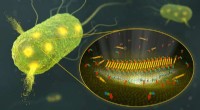
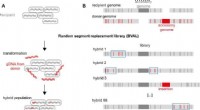
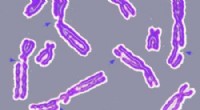
* Nucleic acids (DNA and RNA) contain the genetic instructions for building and maintaining an organism. These instructions are encoded in the sequence of nucleotide bases (adenine, guanine, cytosine, and thymine/uracil).
* Proteins are the workhorses of cells. They perform a vast array of functions, including:
* Catalyzing biochemical reactions (enzymes)
* Transporting molecules
* Providing structural support
* Regulating cellular processes
* Defending against pathogens (antibodies)
The Blueprint Analogy:
* DNA acts like the master blueprint. It contains the complete set of instructions for building and maintaining an organism.
* RNA acts like a temporary copy of a specific section of the blueprint. It carries the instructions from the DNA to the ribosomes, the protein-building machinery of the cell.
* The sequence of nucleotides in DNA and RNA determines the sequence of amino acids in a protein. This amino acid sequence dictates the protein's three-dimensional structure, which in turn determines its function.
Important to note:
* The relationship is not a simple one-to-one correspondence. A single gene (a section of DNA) can code for multiple proteins, depending on how the RNA is processed.
* Environmental factors can also influence the shape and function of proteins.
In summary:
Nucleic acids, specifically DNA, act as blueprints for proteins. They provide the genetic instructions that determine the sequence of amino acids in a protein, which ultimately dictates its structure and function.