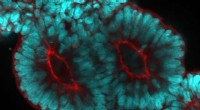
* Water Intake: Plant cells have a high concentration of solutes (like sugars and salts) inside them, which draws water in from the surrounding environment through osmosis.
* Cell Wall Structure: The cell wall is a rigid structure made of cellulose that surrounds the cell membrane. It's strong but also flexible.
* Turgor Pressure: As water enters the cell, it creates pressure against the cell wall. This pressure is called turgor pressure.
* Shape Maintenance: Turgor pressure pushes outward against the cell wall, keeping the cell rigid and preventing it from collapsing or pinching.
Imagine a balloon: A deflated balloon represents a plant cell with low turgor pressure. When you blow air into the balloon, the air pressure inside pushes against the rubber and keeps the balloon inflated, just like turgor pressure keeps the cell rigid.
Importance of Turgor Pressure:
* Structural Support: Turgor pressure provides the rigidity that allows plants to stand upright and maintain their shape.
* Leaf Shape: Turgor pressure helps keep leaves flat and exposed to sunlight for photosynthesis.
* Water Transport: Turgor pressure assists in the movement of water through the plant.
Wilting: When a plant doesn't have enough water, turgor pressure decreases, leading to the cells losing their rigidity and the plant wilting.