* Autotrophs are the primary producers: Autotrophs, like plants and algae, use sunlight, water, and carbon dioxide to create their own food (glucose) through photosynthesis. This process stores energy in chemical bonds within the glucose molecules.
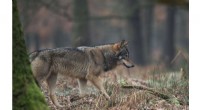
* Heterotrophs cannot make their own food: Heterotrophs, like animals, fungi, and most bacteria, lack the necessary pigments (chlorophyll) and biochemical pathways to carry out photosynthesis. They need to obtain their energy and nutrients from consuming other organisms.
* The food chain relies on this relationship: Autotrophs form the base of the food chain. Heterotrophs obtain their energy by consuming autotrophs (herbivores) or other heterotrophs that have consumed autotrophs (carnivores and omnivores). This flow of energy from autotrophs to heterotrophs sustains life on Earth.
In simpler terms:
* Autotrophs are like the factories of the ecosystem, making food from sunlight.
* Heterotrophs are like the consumers, relying on the food produced by autotrophs for their energy needs.
Here's an example:
* A cow (heterotroph) eats grass (autotroph). The cow gets energy from the glucose stored in the grass, which was originally made by the grass through photosynthesis.
* A lion (heterotroph) eats a zebra (heterotroph). The zebra obtained its energy by eating grass (autotroph). So, the lion indirectly depends on the grass for its energy.
Without autotrophs, there would be no source of energy for heterotrophs, and the entire food chain would collapse.