1. Demand for Food and Resources:
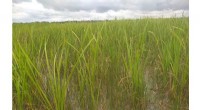
* Increased Food Demand: As the human population grows, the demand for food increases. This puts pressure on agricultural land, leading to more intensive farming practices and potentially deforestation.
* Resource Depletion: Growing populations need more resources, including timber, water, and land for agriculture, all of which depend on healthy ecosystems.
* Competition for Space: As urban areas expand, natural habitats are often cleared, reducing the space available for plant growth.
2. Climate Change and Plant Life:
* Greenhouse Gas Emissions: Population growth leads to increased energy consumption and greenhouse gas emissions, contributing to climate change. Climate change affects plant growth and distribution, with impacts like altered rainfall patterns, extreme temperatures, and increased pest and disease outbreaks.
* Changes in Plant Distribution: Climate change is shifting plant species ranges, with some plants moving to higher altitudes or latitudes while others are struggling to survive in their current locations.
3. Impacts on Biodiversity:
* Habitat Loss: Population growth and development lead to habitat destruction, threatening plant biodiversity and ecosystem services.
* Invasive Species: Increased transportation and trade can facilitate the spread of invasive plant species, which can outcompete native plants and disrupt ecosystems.
4. Solutions and Opportunities:
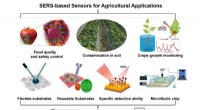
* Sustainable Agriculture: Adopting sustainable agricultural practices like agroforestry and organic farming can help reduce the environmental impact of food production while conserving plant resources.
* Urban Greenery: Increasing urban green spaces through parks, rooftop gardens, and green walls can provide benefits like improved air quality, reduced heat island effects, and habitat for plants.
* Conservation Efforts: Protecting natural areas and restoring degraded habitats are crucial for safeguarding plant biodiversity and ensuring the long-term health of our ecosystems.
In summary: Population growth exerts significant pressure on plant life, affecting food production, resource availability, climate change, biodiversity, and the overall health of ecosystems. Addressing these challenges requires sustainable practices, conservation efforts, and a shift towards a more environmentally conscious approach to population growth.