* Climate Change: Warmer temperatures can lead to increased competition from other predators, as well as altering habitat suitability for the marten's prey (like snowshoe hare).
* Habitat Fragmentation: Loss of forests due to deforestation and urbanization reduces the amount of suitable habitat available, impacting population density and gene flow.
* Fire Frequency: Frequent wildfires can destroy marten habitat and food sources, especially in areas prone to severe fires.
* Winter Severity: Harsh winters with heavy snowfall can make it difficult for martens to access food and shelter, particularly during the breeding season.
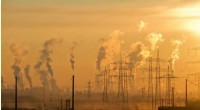
* Pollution: Air and water pollution can negatively impact prey species and overall ecosystem health, affecting the marten's food supply.
* Predation: Large predators like bobcats, lynx, and coyotes can prey on martens, particularly young individuals.
* Competition: Martens compete with other mustelids (like fisher and weasel) for food and habitat, which can limit their population growth.
* Disease: Parasites and diseases like sarcoptic mange can weaken martens and increase their susceptibility to predation and starvation.
* Human Activity: Trapping, hunting, and road mortality can reduce marten populations, especially in areas with high human activity.
* Food Availability: Fluctuations in the abundance of prey species (like snowshoe hare) can cause population cycles, leading to periods of low marten numbers.
* Parasitism: External parasites like ticks can cause blood loss and weaken martens, while internal parasites can reduce their health and reproductive success.
It's important to note that these factors often interact in complex ways, making it difficult to isolate the impact of any single factor on marten populations. Effective conservation strategies should address multiple factors simultaneously to ensure the long-term survival of this species.