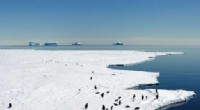
1. Population Size: This is the most basic measurement, simply the total number of individuals within a population. It can be used to track population growth or decline over time.
2. Population Density: This measures the number of individuals per unit area (or volume for aquatic populations). It helps understand how crowded or dispersed a population is, and can be influenced by factors like resources, competition, and habitat availability.
3. Age Structure: This refers to the distribution of individuals within a population across different age groups. It provides insights into the potential for future growth or decline, as different age groups have different reproductive capacities. For example, a population with a high proportion of young individuals suggests potential for future growth.
These are just a few examples, and there are many other ways to measure and describe populations depending on the research question.