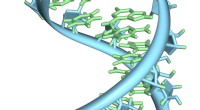
1. Beta-keratin and Disulfide Bonds: Hair is primarily composed of a fibrous protein called beta-keratin. This protein is made up of chains of amino acids that form strong bonds called disulfide bonds. Disulfide bonds create cross-links between keratin chains, providing structural stability and resistance to mechanical stress. The more disulfide bonds present, the stronger the hair tends to be.
2. Cuticle Layer: The outermost layer of hair, called the cuticle, acts as a protective shield. Composed of tightly packed, scale-like cells, the cuticle helps to maintain hair integrity by preventing moisture loss, providing UV protection, and resisting external damage. A healthy and intact cuticle layer contributes to overall hair strength.
3. Cortex: The cortex is the thickest layer of the hair shaft and is composed of densely packed keratin fibers. It provides tensile strength and elasticity, enabling hair to withstand stretching without breaking. The size, shape, and arrangement of cortical cells can vary, influencing the texture, strength, and flexibility of hair.
4. Medulla: While the medulla does not directly contribute to hair strength, its structure can influence the overall integrity of the hair fiber. The medulla, located at the center of the hair shaft, consists of loosely arranged cells and is sometimes absent in finer hair types.
5. Moisture Content: The water content of hair plays a crucial role in maintaining its strength. Properly hydrated hair is more resilient and flexible. Moisture helps to fill gaps between keratin chains, reducing the risk of breakage. Conversely, dry hair is more susceptible to damage and breakage.
6. Genetic and Nutritional Factors: Genetic variations and nutritional deficiencies can impact hair strength. Certain genetic traits may determine the natural strength and texture of hair. Additionally, a well-balanced diet rich in essential nutrients and minerals, including protein, biotin, and iron, is crucial for maintaining healthy and strong hair.
In summary, the strength of human hair is a result of the intricate arrangement and composition of keratin, reinforced by disulfide bonds. The cuticle layer provides external protection, while the cortex and medulla contribute to tensile strength and flexibility. Adequate hydration and proper nutrition further enhance hair's resilience. Understanding these factors is essential for maintaining strong and healthy hair.