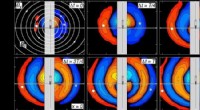
Velocity is a vector quantity because it has both magnitude (speed) and direction. The magnitude of velocity is called speed, and it is measured in units such as meters per second (m/s) or kilometers per hour (km/h). The direction of velocity is the direction in which the object is moving.
Velocity is different from speed in that it takes into account the direction of motion. For example, if a car is traveling at a speed of 60 km/h but is going in a circle, its velocity is constantly changing even though its speed remains the same.
Velocity is an important concept in physics, and it is used in a wide variety of applications, such as calculating the speed of a moving object, determining the trajectory of a projectile, and measuring the flow rate of a fluid.