1. Functional Specialization:
- Different cell types have specific functions within the body, and their shapes often reflect these functions.
- For example, muscle cells (muscle fibers) are elongated to facilitate contraction and movement. Nerve cells (neurons) have long extensions (axons and dendrites) to transmit electrical signals over long distances.
2. Structural Support and Protection:
- The shape of a cell can provide structural support and protection for its internal components.
- Plant cells have a rigid cell wall that gives them a rectangular or polygonal shape, providing structural support. Animal cells, which lack a cell wall, have more flexible shapes.
3. Locomotion and Movement:
- Some cells, like certain immune cells (such as neutrophils and macrophages), have the ability to move and change their shape to squeeze through tight spaces and reach infection sites.
4. Surface Area and Material Exchange:
- The shape of a cell can influence its surface area and, therefore, its ability to exchange materials with the surrounding environment.
- For instance, cells involved in absorption or secretion, such as intestinal cells or kidney tubules, have increased surface area due to microvilli or folded structures on their cell membranes.
5. Cell Division and Reproduction:
- The shape of a cell can be influenced by its stage in the cell cycle, particularly during cell division (mitosis and meiosis).
- During cell division, the cell undergoes dramatic changes in shape as it divides into two or four daughter cells.
6. Adaptation to Environment and Stress:
- Cells can change their shape in response to environmental cues, stress, or physical forces.
- For example, some plant cells can undergo plasmolysis, where the cell membrane detaches from the cell wall due to water loss, causing the cell to shrink.
7. Cytoskeletal Organization:
- The internal cytoskeleton made of protein filaments (microfilaments, intermediate filaments, and microtubules) helps determine cell shape and provides mechanical support.
- Changes in the organization and dynamics of the cytoskeleton can lead to changes in cell shape.
8. Cell-Cell Interactions:
- Cells can interact with neighboring cells through various adhesion molecules and cell-cell junctions.
- These interactions influence cell shape and tissue organization. For example, epithelial cells have a characteristic polygonal shape due to tight junctions that connect adjacent cells.
9. Disease and Pathology:
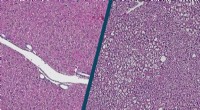
- Abnormal cell shapes and changes in cellular architecture can be associated with certain diseases and pathological conditions.
- For instance, cancer cells often exhibit irregular shapes and loss of normal cellular organization.
It's worth noting that the shape of a cell is a dynamic feature that can change over time in response to various internal and external stimuli. The ability of cells to adopt different shapes is crucial for their proper function and adaptation within the diverse tissues and organs of the body.