1. Structural support: Some cells have specialized shapes that provide structural support to tissues and organs. For example, bone cells (osteocytes) have long, branched extensions that help form the rigid matrix of bones.
2. Cellular movement: Certain cell shapes facilitate movement. For instance, white blood cells (leukocytes) have an irregular shape that enables them to squeeze through small spaces and pursue invading microorganisms. Sperm cells have a streamlined shape with a long tail, allowing them to swim towards the egg during fertilization.
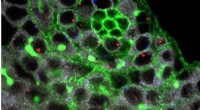
3. Cell-to-cell communication: The shape of cells can influence how they interact with neighboring cells. For example, epithelial cells lining the surfaces of organs have a polygonal shape that allows them to form tight junctions, creating barriers that regulate the movement of substances.
4. Functional specialization: The shape of a cell often reflects its specialized function. For instance, muscle cells (myocytes) have elongated, cylindrical shapes that allow them to contract and relax, enabling movement. The cup-shaped photoreceptor cells in the retina of the eye have a curved surface that helps capture and focus light for vision.
5. Mechanical stability: Certain oddly shaped cells provide mechanical stability to tissues. For example, odontoblasts, cells in the pulp of teeth, extend long cytoplasmic processes called Tomes' fibers that help anchor the teeth in the jawbone.
Overall, the odd shapes of cells are not random but rather intricately designed to carry out specific functions essential for the overall structure, function, and survival of the organism.