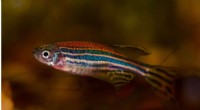
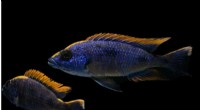
One of the most common examples of dimorphism is sexual dimorphism, which refers to the differences between males and females of a species. In many species, males and females have different physical characteristics, such as size, coloration, or ornamentation. These differences can be due to genetic factors, environmental factors, or a combination of both.
Other types of dimorphism include:
* Seasonal dimorphism: This refers to the changes in an organism's appearance or behavior that occur in response to the seasons. For example, many animals change color in the winter in order to camouflage themselves from predators.
* Geographical dimorphism: This refers to the differences in an organism's appearance or behavior that occur between different geographical regions. For example, some species of birds have different subspecies that are found in different parts of the world.
* Social dimorphism: This refers to the differences in an organism's appearance or behavior that occur between different social groups. For example, in some species of ants, there are workers, soldiers, and queens.
Dimorphism can be an important evolutionary strategy, as it can allow a species to adapt to different environments or social conditions. For example, sexual dimorphism can help to ensure that males and females are able to find mates, while seasonal dimorphism can help animals to survive in different climates.