Key characteristics of living organisms include:
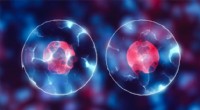
1. Cellular Structure: Living organisms are composed of cells, which are the fundamental units of life. Cells have a complex internal structure, including organelles that carry out specific functions, a cell membrane that defines their boundary, and the ability to reproduce and grow. Viruses, on the other hand, lack cellular structure and are not made of cells.
2. Metabolism: Metabolism refers to the chemical reactions that occur within an organism to sustain life. These reactions allow organisms to obtain energy from nutrients, synthesize new molecules, and maintain internal balance (homeostasis). Viruses do not have their own metabolic machinery. They rely on host cells to provide the necessary enzymes, energy, and other resources to replicate their genetic material.
3. Growth and Reproduction: Living organisms grow and reproduce through cellular division or other mechanisms. Viruses do not grow by cellular division. Instead, they replicate their genetic material (DNA or RNA) within host cells and assemble new viral particles using host cell components.
4. Response to Stimuli: Living organisms respond to stimuli in their environment. For example, plants may respond to light, and animals may respond to touch or sound. Viruses do not exhibit responses to external stimuli.
5. Evolution and Adaptation: Living organisms evolve over time through genetic variations that lead to adaptations and increased fitness within their environments. Viruses can undergo genetic changes and adaptations, but they do not exhibit the same level of evolutionary complexity as cellular organisms.
Given these fundamental differences, viruses are generally classified as non-living entities. They occupy a unique position between living organisms and non-living matter, existing as infectious agents that require host cells to replicate and propagate.