1. Morphological Data: Morphological data refers to the physical characteristics and structures of organisms. Scientists compare homologous structures (structures with the same evolutionary origin but may have different functions) across different species. Morphological similarities or differences provide valuable insights into evolutionary relationships. For example, comparing the bone structures of different vertebrates can shed light on their shared ancestry.
2. DNA and Protein Sequences: DNA and protein sequences are essential sources of molecular data for phylogenetic analysis. Scientists compare the sequences of genes or proteins across different species. These sequences contain genetic information that can change over time due to mutations. The degree of similarity or divergence in these sequences helps establish evolutionary relationships.
3. Genetic Distance: Genetic distance is a measure of the overall divergence between DNA or protein sequences. It is calculated by comparing the number of nucleotide or amino acid differences between sequences. The greater the genetic distance, the more evolutionarily distant two species are likely to be.
4. Molecular Clock: The molecular clock hypothesis proposes that certain regions of DNA or protein sequences accumulate mutations at a relatively constant rate over time. By comparing the rate of molecular evolution between species, scientists can estimate the time since their divergence and construct phylogenetic trees.
5. Karyotype Analysis: Karyotype analysis involves studying the number, size, and banding patterns of chromosomes within a cell. Similarities in karyotypes can indicate close evolutionary relationships, while significant differences suggest more distant relationships.
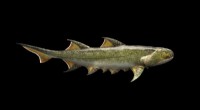
6. Fossil Records: Fossils provide direct evidence of past organisms and can offer insights into evolutionary history. Scientists can use fossil sequences to construct phylogenetic trees by examining the anatomical features, transitional forms, and temporal distribution of different species.
7. Hybridization and Introgression: Hybridization occurs when two distinct species interbreed, leading to the exchange of genetic material. Introgression refers to the incorporation of genetic material from one species into another through repeated backcrossing. These events can provide evidence for close relationships between species and influence phylogenetic tree construction.
8. Biogeographic Patterns: Biogeography studies the distribution of species across different geographic regions. By analyzing the geographic ranges and dispersal capabilities of different species, scientists can infer their evolutionary history and relationships.
By combining multiple lines of evidence from morphology, molecular data, genetics, paleontology, and other fields, scientists can construct phylogenetic trees that represent the evolutionary relationships and common ancestry among different species or groups of organisms.