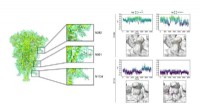
Molecular Analysis: Advancements in molecular biology have made DNA sequencing a vital tool in modern taxonomy. Scientists extract DNA from the organism and analyze its genetic material. By comparing DNA sequences with those of known organisms, they can determine genetic relatedness and evolutionary relationships. DNA analysis allows for more accurate classification and helps identify new species even if they have similar morphologies.
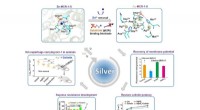
Biochemical Analysis: Biochemical characteristics, such as the presence of specific proteins, enzymes, or other biochemical markers, can also be used for classification. These markers can provide insights into the organism's metabolism, physiology, and genetic composition. Biochemical analysis complements morphological and molecular data, offering a comprehensive understanding of the organism's biological features.
Ecological and Behavioral Data: Information about the organism's habitat, ecological interactions, behavior, and life cycle can contribute to its classification. Studying where an organism lives, its interactions with other species, and its unique behaviors can reveal important clues about its evolutionary history and relationships with other organisms.
Paleontological Evidence: In the case of extinct organisms, paleontological data, such as fossil records, can provide valuable information for classification. By examining fossilized remains, scientists can gain insights into the organism's morphology, anatomy, and evolutionary relationships, helping to place it within the broader context of the Tree of Life.
It's important to note that classification systems are dynamic and continuously evolving as new information and discoveries are made. Scientists use a combination of these criteria and integrate various lines of evidence to assign a newly discovered organism to the most appropriate taxonomic group and determine its evolutionary relationships with existing species.