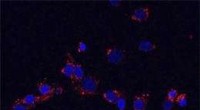
Cell membrane defects: The cell membrane acts as a barrier, protecting the cell's internal environment and regulating the exchange of substances. Defects in the cell membrane, such as impaired permeability or damage to membrane proteins, can disrupt cellular homeostasis and lead to various health problems. For example, membrane defects can contribute to the development of certain neurological disorders, muscle diseases, and immune system dysfunction.
Mitochondrial dysfunction: Mitochondria are often referred to as the "powerhouses" of cells as they produce energy in the form of ATP. When mitochondria malfunction or have structural abnormalities, they can produce excessive reactive oxygen species (ROS), leading to oxidative stress. This can damage cellular components, and contribute to aging, neurodegenerative disorders (such as Alzheimer's and Parkinson's), and metabolic conditions.
Endoplasmic reticulum stress: The endoplasmic reticulum (ER) is involved in protein synthesis, folding, and trafficking. When the ER is overwhelmed or stressed due to excessive protein production, misfolded proteins can accumulate in the ER lumen, leading to a condition called ER stress. Prolonged ER stress can activate an unfolded protein response, triggering apoptosis (programmed cell death) or contributing to cellular dysfunction. ER stress is associated with conditions like type 2 diabetes, inflammatory diseases, and neurodegenerative disorders.
Cytoskeletal abnormalities: The cytoskeleton provides structural support and facilitates cellular movement. Defects in cytoskeletal components, such as actin filaments, microtubules, or intermediate filaments, can affect cell shape, migration, division, and intracellular transport. Cytoskeletal abnormalities are implicated in various conditions, including certain cancers, neurological disorders, and developmental disorders.
Lysosomal storage diseases: Lysosomes are cellular organelles responsible for digesting and recycling waste materials. In lysosomal storage diseases, mutations in genes encoding lysosomal enzymes or proteins involved in lysosomal function lead to the accumulation of undigested substances within lysosomes. This can disrupt cellular function and cause progressive damage to tissues and organs, resulting in conditions like Gaucher disease, Pompe disease, and Tay-Sachs disease.
These are just a few examples of how cell structural abnormalities can lead to health issues. Maintaining proper cell structure and function is essential for the overall health and well-being of organisms. Therefore, understanding the intricate relationship between cell structure and health can provide valuable insights for developing diagnostic tools and therapies to address various diseases and disorders.