1. Cleavage:
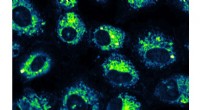
- The first few rounds of cell division, known as cleavage, result in the formation of a ball of cells called the morula.
- As cleavage continues, the morula transforms into a hollow sphere of cells called the blastocyst.
- The inner cell mass of the blastocyst will eventually give rise to the embryo, while the outer layer of cells (trophoblast) will develop into the placenta.
2. Gastrulation:
- Gastrulation is a critical stage during which the embryo undergoes significant reorganization.
- The inner cell mass of the blastocyst undergoes a series of invaginations and migrations, leading to the formation of three germ layers: ectoderm, mesoderm, and endoderm.
- These germ layers give rise to all tissues and organs of the developing embryo.
3. Neurulation:
- During neurulation, the ectoderm forms a neural plate, which then folds inward to create the neural tube.
- The neural tube gives rise to the central nervous system, including the brain and spinal cord.
4. Organogenesis:
- As the embryo continues to develop, the germ layers differentiate into specific tissues and organs.
- This process, known as organogenesis, involves complex interactions between cells and signaling molecules.
- The embryo begins to take on a recognizable shape as the various organs start to form.
Throughout these early stages, the embryo undergoes a series of coordinated and tightly regulated shape changes. These changes are essential for establishing the basic body plan and creating the different structures and tissues of the developing organism.