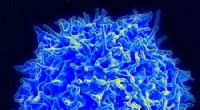
Cells contain various proteins that help them detect and respond to nutrients, including glucose. For example, glucose transporters, such as GLUT4, facilitate the movement of glucose into cells. Once inside the cell, glucose undergoes a series of chemical reactions, collectively known as glycolysis, to convert it into pyruvate. Pyruvate can then enter the citric acid cycle (also known as the Krebs cycle) and oxidative phosphorylation, where it is further broken down and used to generate ATP.
The body tightly controls blood sugar levels, as glucose homeostasis is essential for normal cellular function. Cells can sense changes in glucose levels and adjust their metabolism accordingly. In the case of low glucose levels (hypoglycemia), cells may activate mechanisms to conserve energy and maintain essential functions. Conversely, elevated glucose levels (hyperglycemia) can lead to cellular stress and dysfunction.
In addition to glucose, cells also respond to other nutrients, such as amino acids and fatty acids, to meet their energy needs and perform various metabolic functions. Understanding cellular responses to nutrients is critical in areas such as nutrition, diabetes research, and metabolic disorders.