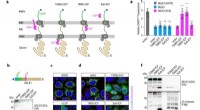
The study, published in the journal Nature Microbiology, found that H. pylori hijacks a key cellular pathway to activate a protein called RIPK1, which is responsible for initiating apoptosis, or programmed cell death.
H. pylori is a bacterium that commonly infects the stomach and is associated with the development of gastric cancer, a type of cancer that affects the lining of the stomach. The bacterium is estimated to infect over half of the world's population, but only a small percentage of those infected will develop gastric cancer.
"Our findings provide a new understanding of how H. pylori infection leads to gastric cancer," said study senior author Dr. Gokhan Inan, professor of biochemistry and molecular biology at MD Anderson. "By targeting the interaction between H. pylori and RIPK1, we may be able to develop new therapies to prevent or treat H. pylori-associated gastric cancer."
In the study, the researchers used a combination of techniques, including biochemical assays, cellular imaging, and mouse models, to investigate the molecular mechanisms by which H. pylori triggers cell death.
The researchers found that H. pylori activates RIPK1 by mimicking a human protein called Hsp90. Hsp90 is a chaperone protein that helps other proteins fold into their correct shape and function.
By mimicking Hsp90, H. pylori is able to bind to RIPK1 and activate it, which in turn leads to the initiation of apoptosis.
The researchers also found that H. pylori-induced cell death is dependent on RIPK1 activity. When RIPK1 was inhibited, H. pylori infection did not lead to cell death.
"Our findings identify RIPK1 as a potential therapeutic target for H. pylori-associated gastric cancer," said study first author Dr. Yuqi Ding, a postdoctoral fellow in Dr. Inan's lab. "By targeting RIPK1, we may be able to prevent or treat H. pylori-associated gastric cancer by blocking H. pylori-induced cell death."