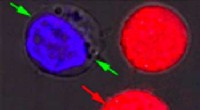
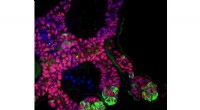
At the heart of these defense strategies lies a complex interplay of cellular responses, biochemical pathways, and structural adaptations. One of the most intricate defense mechanisms employed by plants is the formation of papillae – tiny, dome-shaped protrusions that emerge on the plant's cell walls upon sensing Phytophthora's presence. These papillae act as physical barriers, fortifying the cell walls and impeding fungal penetration.
As if anticipating the pathogen's relentless pursuit, plants can swiftly orchestrate a biochemical counterattack. Upon detecting the fungal invasion, they unleash a flood of antimicrobial compounds, including phytoalexins – specialized chemicals synthesized specifically to combat Phytophthora. These phytoalexins, acting as nature's chemical weapons, disrupt the fungal cell membranes and inhibit spore germination, effectively incapacitating the pathogen's reproductive potential.
Furthermore, plants employ a clever strategy known as "programmed cell death" to limit Phytophthora's spread. This involves sacrificing select cells in the immediate vicinity of the infection, creating a "no man's land" devoid of nutrients, thereby starving the fungus of essential resources. This localized cell death serves as a containment measure, preventing the pathogen from establishing a foothold and spreading throughout the plant.
Plant resistance to Phytophthora is not a static trait but a dynamic process modulated by various genetic factors. Some plant varieties naturally possess enhanced resistance, attributed to specific genes that encode proteins capable of recognizing the pathogen and initiating appropriate defense responses. Through selective breeding and genetic engineering, scientists have endeavored to enhance these resistance traits, developing crop varieties with improved resilience against Phytophthora.
Despite the intricate defense mechanisms employed by plants, Phytophthora remains a formidable adversary, continuously adapting and evolving in its quest for survival. The battle between plants and Phytophthora is an ongoing evolutionary arms race, with each player developing counterstrategies to gain an advantage. Understanding the intricate mechanisms of plant defense against this destructive fungus is crucial for developing sustainable disease management strategies, safeguarding crop yields, and ensuring food security in a world where food demand continues to rise.