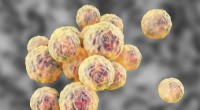
Sickle cell disease is a genetic condition that affects the shape of red blood cells, causing them to become sickle-shaped under certain conditions. While this condition can cause health issues, it also offers a protective effect against malaria, a parasitic disease transmitted by mosquitoes.
Certain populations of deer carry a mutation in their beta-globin gene, similar to the mutation that leads to sickle cell disease in humans. This mutation causes a change in the structure of hemoglobin, the oxygen-carrying protein in red blood cells. The presence of this mutation in deer has been linked to resistance against a type of malaria parasite that affects deer.
Studying the genetics and immune systems of deer can provide insights into the evolutionary relationship between sickle cell and malaria resistance. It is believed that the sickle cell mutation arose in humans as a result of natural selection in areas affected by malaria. By studying deer and other species that carry similar genetic traits, researchers can gain a better understanding of how this protective adaptation emerged and how it impacts the survival of individuals in malaria-endemic regions.
Overall, while deer may not be the primary species used to research malaria resistance and sickle cell, they do offer valuable insights into the genetic and evolutionary aspects of this complex relationship.