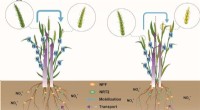
Plant diseases pose a significant threat to global food security, causing substantial economic losses and affecting millions of people worldwide. Traditional disease management strategies primarily rely on synthetic chemical pesticides, which can lead to environmental pollution, pest resistance, and potential harm to human health. In recent years, the concept of plant vaccination has emerged as a promising alternative approach to protect crops against devastating diseases.
Mechanisms and Advantages of Plant Vaccines
Plant vaccines, also known as induced resistance vaccines, work by stimulating the plant's natural defense mechanisms, enabling them to recognize and combat specific pathogens. Similar to human vaccines, plant vaccines expose plants to weakened or inactivated forms of pathogens or their components, triggering a protective immune response without causing disease symptoms.
Benefits of plant vaccines include:
1. Enhanced Disease Resistance: Vaccination helps plants develop systemic resistance against targeted pathogens, making them more resilient to infections.
2. Reduced Chemical Dependency: By minimizing the reliance on synthetic pesticides, plant vaccines contribute to sustainable agriculture and reduce environmental impact.
3. Cost-Effective and Eco-Friendly: Plant vaccines are generally cost-effective and eco-friendly, minimizing the negative effects associated with conventional pest management methods.
4. Fewer Residues: Unlike chemical pesticides, which can leave harmful residues, plant vaccines leave minimal or no residues on harvested produce.
5. Enhanced Crop Quality: Vaccination can improve overall plant health, resulting in better quality yields.
Challenges and Future Prospects
Although the potential of plant vaccines is immense, several challenges need to be addressed to ensure widespread adoption and effectiveness:
1. Specificity: Developing vaccines that target specific pathogens while avoiding cross-reactivity with beneficial microorganisms is crucial for successful implementation.
2. Durability: Ensuring long-lasting immunity and protection against evolving pathogen strains remains a challenge.
3. Delivery Systems: Efficient delivery systems are necessary to ensure that the vaccine reaches the target tissues within plants.
4. Regulatory Framework: Establishing clear regulatory guidelines for plant vaccines is essential for their safe and effective deployment.
Active research and advancements in biotechnology, molecular biology, and genomics hold promise for overcoming these challenges and realizing the full potential of plant vaccines. The integration of plant vaccination strategies into sustainable agriculture practices can lead to reduced crop losses, improved food quality, and increased agricultural productivity while safeguarding human and environmental health.