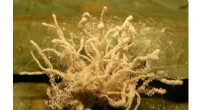
Biofilms are difficult to treat because they are resistant to antibiotics and other antimicrobial agents. This is due to a number of factors, including the extracellular matrix, which acts as a barrier to antimicrobial agents, and the ability of biofilm cells to enter a dormant state, which makes them less susceptible to antimicrobial agents.
Scientists are developing a number of new strategies to fight infection-causing biofilms. These include:
* Anti-biofilm agents: These agents are designed to disrupt the biofilm matrix and kill biofilm cells. Some anti-biofilm agents are already approved for use in the clinic, while others are still in development.
* Bacteriophages: Bacteriophages are viruses that infect bacteria. They can be used to kill biofilm cells by lysing (breaking open) the cells. Bacteriophage therapy is a promising new approach to treating biofilm infections, and clinical trials are currently underway.
* Immune-based therapies: These therapies stimulate the body's own immune system to recognize and attack biofilm cells. Immune-based therapies are still in early development, but they offer the potential for treating biofilm infections without the use of antibiotics.
The fight against infection-causing biofilms is a challenging one, but scientists are making progress. The development of new anti-biofilm agents, bacteriophages, and immune-based therapies offers hope for the treatment of biofilm infections.
Here are some additional details about each of these strategies:
* Anti-biofilm agents: Anti-biofilm agents work by disrupting the biofilm matrix, inhibiting the growth of biofilm cells, or killing biofilm cells. Some anti-biofilm agents that are already approved for use in the clinic include:
* Nisin: Nisin is a naturally occurring antimicrobial peptide produced by Lactococcus lactis. It has been shown to be effective against a variety of biofilms, including those formed by Staphylococcus aureus, Pseudomonas aeruginosa, and Escherichia coli.
* EDTA: EDTA is a chelating agent that binds to metal ions, such as calcium and magnesium. These metal ions are essential for the formation and stability of the biofilm matrix. By chelating these metal ions, EDTA can disrupt the biofilm matrix and make biofilm cells more susceptible to antimicrobial agents.
* Bacteriophages: Bacteriophages are viruses that infect bacteria. They can be used to kill biofilm cells by lysing (breaking open) the cells. Bacteriophage therapy is a promising new approach to treating biofilm infections, and clinical trials are currently underway. Bacteriophages have a number of advantages over antibiotics, including:
* They are specific to bacteria, so they do not harm beneficial bacteria.
* They can penetrate the biofilm matrix and kill biofilm cells.
* They can replicate within biofilm cells, leading to a rapid and effective killing of biofilm cells.
* Immune-based therapies: Immune-based therapies stimulate the body's own immune system to recognize and attack biofilm cells. Some immune-based therapies that are still in early development include:
* Immunotherapy: Immunotherapy involves using antibodies or other immune-stimulating agents to activate the body's immune system to attack biofilm cells.
* Vaccine therapy: Vaccine therapy involves using vaccines to stimulate the body's immune system to produce antibodies against biofilm cells.