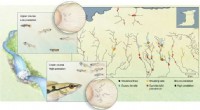
In the heart of the lush rainforest, where chimpanzees roam freely, an unexpected health concern emerged. Reports of respiratory ailments among the chimp population raised alarms within the scientific community. Was it a mere case of the chimp sniffles or an impending outbreak? To effectively address this situation, syndromic surveillance proved to be a game-changing approach.
Syndromic Surveillance at Work
Syndromic surveillance is an innovative method of monitoring health trends by analyzing patterns of symptoms instead of waiting for laboratory confirmation of specific diseases. This allows for early detection of potential outbreaks, rapid response, and informed decision-making.
The Chimp Sniffles Case Study
When reports of respiratory symptoms in chimpanzees surfaced, syndromic surveillance played a pivotal role:
* Early Detection: By closely monitoring the frequency and characteristics of respiratory symptoms in the chimp population, scientists noticed an unusual spike. This early detection enabled prompt action.
* Symptom Analysis: Syndromic surveillance focused on specific symptoms associated with respiratory ailments in chimps, including coughing, sneezing, and nasal discharge. This facilitated the differentiation of the chimp sniffles from more severe illnesses.
* Timeliness: Syndromic surveillance provided real-time data on the progression and spread of symptoms within the chimp population. This timely information allowed for quick interventions.
* Resource Optimization: By identifying and tracking specific symptoms, syndromic surveillance helped allocate resources efficiently. Researchers could target affected areas and prioritize care for vulnerable chimps.
Conclusion: Uncovering Outbreak Trends
In this case, syndromic surveillance proved to be a vital tool in assessing the extent and severity of the respiratory ailment among chimpanzees. It provided valuable insights that differentiated the chimp sniffles from a major outbreak, enabling researchers to tailor their response accordingly. Moreover, syndromic surveillance can serve as a broader framework for monitoring health trends in various wildlife populations, ensuring timely interventions and the preservation of biodiversity.