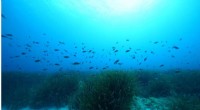
* Shelter from the sun: Underwater plants and corals can provide shade for animals, helping them to avoid the sun's harmful rays. This can be especially important for animals that are sensitive to heat, such as fish and corals.
* Reduced water temperature: Underwater plants and corals can help to cool the water around them, providing relief for animals that are struggling to cope with the heat. This can be especially important for animals that live in shallow water, where the water temperature can rise quickly.
* Increased oxygen levels: Underwater plants and corals can release oxygen into the water, which can help to improve the oxygen levels for animals. This can be especially important for animals that are struggling to breathe in the warm water.
* Food: Underwater plants and corals can provide food for animals, helping them to survive during the heatwave. This can be especially important for animals that are unable to find food in the warmer water.
In addition to these direct benefits, underwater plants and corals can also help to create a more resilient ecosystem that is better able to withstand marine heatwaves. For example, underwater plants and corals can help to stabilize the seafloor, which can reduce the risk of erosion and flooding. They can also help to protect coastlines from the effects of waves and storms.
By providing a number of benefits to animals, underwater plants and corals can help them to survive during marine heatwaves. This can help to protect the marine ecosystem and ensure that it continues to function properly.
Here are some specific examples of how underwater plants and corals have helped animals survive marine heatwaves:
* In 2016, a marine heatwave in the Pacific Ocean caused widespread coral bleaching. However, some corals that were located in areas with high levels of underwater plants were able to survive the heatwave. This suggests that underwater plants can help to protect corals from the effects of marine heatwaves.
* In 2019, a marine heatwave in the Gulf of Maine caused a severe decline in the population of lobsters. However, some lobsters that were located in areas with high levels of underwater vegetation were able to survive the heatwave. This suggests that underwater vegetation can help to protect lobsters from the effects of marine heatwaves.
* In 2020, a marine heatwave in the Mediterranean Sea caused a mass die-off of fish. However, some fish that were located in areas with high levels of underwater plants were able to survive the heatwave. This suggests that underwater plants can help to protect fish from the effects of marine heatwaves.
These are just a few examples of the many ways that underwater plants and corals can help animals survive marine heatwaves. By providing a number of benefits to animals, underwater plants and corals can help to protect the marine ecosystem and ensure that it continues to function properly.