Summary:
A groundbreaking study led by researchers at The University of Cambridge in the United Kingdom unravels the precise mechanism behind how anesthetics halt the locomotion of cells, providing a clearer picture of how this fundamental process is regulated in living organisms.
Key Findings:
Anesthetics Halt Cell Walking: The research team utilized cutting-edge microscopy and computational techniques to observe and quantify the behavior of cells under the influence of anesthetics. Their findings revealed that anesthetics abruptly stop cell locomotion by interfering with the dynamic processes that control cell movement.
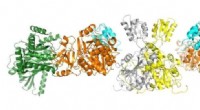
Interaction with Kinesin Motor Proteins: The study pinpointed kinesin motor proteins as the key molecular targets of anesthetics. Kinesin proteins play a crucial role in transporting various cellular cargoes and are essential for cell motility. Anesthetics were found to bind to and disrupt the function of these proteins, leading to the cessation of cell movement.
Insight into Mechanism: The researchers propose that anesthetics interfere with the communication between kinesin proteins and the cellular structures responsible for guiding their movement. This disruption effectively 'breaks' the coordinated walking process of cells, causing them to come to a standstill.
Implications:
Novel Anesthetic Mechanisms: The study unveils a previously unknown mode of action for anesthetics, expanding the understanding of how these agents exert their effects. This newly discovered mechanism could pave the way for the development of more targeted and effective anesthetic agents with fewer adverse effects.
Unveiling Complex Biological Processes: The research highlights the importance of studying the behavior of individual cells to comprehend complex biological processes. Such detailed observations provide valuable insights that can inform future research and therapeutic strategies.
Future Directions:
Targeting Kinesin for Anesthesia: The study's findings suggest that modulating the interaction between anesthetics and kinesin proteins could lead to novel approaches to anesthesia. Further investigation into this pathway could open new avenues for anesthetic research and development.
Multidisciplinary Collaborations: The study showcases the benefits of interdisciplinary collaboration, integrating knowledge from fields such as cell biology, chemistry, and physics. This approach can provide a synergistic understanding of complex phenomena in living organisms.
In conclusion, this groundbreaking study deciphers the mechanism by which anesthetics bring cellular movement to a halt, contributing to the intricate world of cell biology and introducing new possibilities for anesthetic research and development.