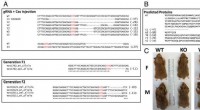
The protein in question is called CatSper, and it forms ion channels in the sperm's tail. These channels allow calcium ions to flow into the sperm, which triggers a series of events that lead to the sperm's hyperactive motility and ability to penetrate the egg's protective layers.
Using advanced imaging techniques, the researchers were able to observe the movement of sperm in real time and track how they interact with the egg. They found that sperm with defects in the CatSper protein were unable to swim in a straight line and often became stuck or lost on the journey to the egg.
Furthermore, the researchers discovered that CatSper defects can be inherited from either parent, suggesting that genetic factors play a significant role in male infertility. This finding could pave the way for new genetic tests to identify couples at risk of infertility and develop personalized treatments to improve their chances of conception.
The study's findings provide a deeper understanding of the complex mechanisms involved in sperm function and fertilization, offering hope for the development of new therapies to address male infertility and improve reproductive outcomes in affected individuals.