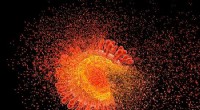
1. Membrane remodeling: The process often begins with the remodeling of the bacterial cell membrane. This remodeling can be triggered by various factors, such as environmental stresses, nutrient limitations, or specific signaling pathways within the bacterium.
2. Budding and scission: The remodeled membrane undergoes a process called budding, where small membrane protrusions or vesicles start to form on the cell surface. These protrusions are filled with various cytoplasmic components, including proteins, nucleic acids, and lipids.
3. Pinching off: As the membrane vesicles grow in size, they eventually pinch off from the cell membrane, forming free and independent structures. This pinching-off process can be mediated by specific proteins or enzymes present in the bacterial cell.
4. Maturation: Once released, the MVs undergo a maturation process. During maturation, the vesicles may undergo additional remodeling, including changes in their lipid composition or the addition of specific proteins or modifications to the membrane surface.
5. Cargo loading: The MVs can encapsulate a variety of molecules, such as proteins, DNA, RNA, and lipids. The process of cargo loading into MVs is not fully understood but may involve specific sorting mechanisms or selective packaging of molecules into the vesicles.
The formation of MVs can serve several functions for bacteria. They can act as a means of communication and exchange of molecules between bacteria, contribute to virulence and pathogenicity, aid in nutrient acquisition or waste disposal, and play roles in biofilm formation and stress responses.
It's important to note that the formation and characteristics of MVs can vary significantly among different bacterial species and strains, and the precise mechanisms involved in MV biogenesis are still an active area of research.