Wildlife trafficking is a serious global issues that threatens the survival of countless endangered species. To effectively address this challenge, we are harnessing the power of artificial intelligence (AI) to developed innovative and efficient solution that enable the early detection and prevention of illegal wildlife trade.
Harnessing AI for Wildlife Trafficking Detection:
Machine Learning Algorithms: By utilizing machine learning, we can analyze large amount of data, including images, videos, and text, to identify suspicious patterns associated with wildlife trafficking activities. These algorithms can detect anomaly, such as unusual shipment routes or suspicious transactions, that might indicate potential illegal activities.
Image Recognition for Smuggling Detection: Advanced image recognition techniques can be employed to identify endangered species or their body parts from photographs. This technology can help customs officers, airport security, and other enforcement agencies quickly and accurately detect wildlife contraband in luggage, packages, or containers.
Voice Recognition for Acoustic Monitoring: AI-powered acoustic monitoring systems can be deployed in protected areas to detect the sounds made by endangered species. By recognizing specific vocal patterns, these systems can alert authorities to the presence of poachers or illegal activities, enabling timely interventions.
Natural Language Processing for Dark Web Monitoring: AI-enabled language processing tools can monitor dark web forums and online markets where illegal wildlife trade often occurs. By analyzing text data and identifying key phrases related to wildlife trafficking, suspicious activities can be detected and reported to law enforcement agencies.
Leveraging AI for Data Analysis:
Automated Data Analysis: AI algorithms can rapidly process and analyze data from various sources, such as customs records, social media, and wildlife trade databases. This comprehensive analysis can reveal trends, patterns, and networks that assist in understanding the modus operandi of wildlife trafficking syndicates.
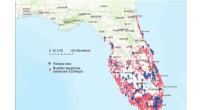
Geospatial Analysis: AI-driven geospatial analysis tools enable us to visualize and analyze wildlife trafficking data on maps. By identifying hotspots, migration patterns, and trafficking routes, authorities can optimize their enforcement strategies and target high-risk areas.
Collaboration and Information Sharing:
Real-Time Collaboration: AI-powered platforms facilitate real-time information sharing among enforcement agencies, conservation organizations, and other stakeholders. This collaborative effort enhances response time, coordination, and the effectiveness of anti-wildlife trafficking efforts.
Predictive Analytics: Machine learning algorithms can be used for predictive analytics, enabling the identification of potential trafficking routes and hotspots before illegal activities occur. This proactive approach empowers law enforcement agencies to allocate resources efficiently and intercept wildlife traffickers.
The use of AI in combating wildlife trafficking offers significant potential for advancing conservation efforts and protecting endangered species. By harnessing the latest technological innovations and fostering collaborative partnerships, we can work together to mitigate the devastating impacts of illegal trade on our planet's biodiversity.