Introduction:
Assassin bugs, notorious predators in the insect world, possess an intriguing evolutionary history. Understanding their evolutionary trajectory sheds light on the diversification of predatory behaviors, ecological roles, and adaptations within the assassin bug family. This article delves into the research that has illuminated the evolutionary dynamics of assassin bugs, revealing the major milestones that shaped their current form.
Discovery of Common Ancestry:
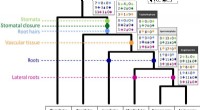
Genetic studies conducted on various assassin bug species revealed a common evolutionary ancestor shared with other members of the insect order Hemiptera. This foundational knowledge provided insights into the diversification of the assassin bug lineage from its early roots within the Hemipteran family tree.
Adaptive Radiation and Habitat Diversification:
Through extensive analysis of assassin bug species, researchers identified instances of adaptive radiation, where diverse lineages evolved in response to specific ecological niches. For example, some species adapted to aquatic environments, while others evolved to thrive in terrestrial ecosystems. This adaptive diversification occurred across various regions globally, shaping the current widespread distribution of assassin bugs.
Predator-Prey Arms Race:
One fascinating aspect of assassin bug evolution lies in their coevolutionary arms race with their prey. This dynamic relationship has spurred mutual adaptations and counter-adaptations, leading to the evolution of enhanced predatory strategies and defensive mechanisms in both assassin bugs and their prey.
Fossil Records and Evolutionary Timescales:
The discovery of assassin bug fossils has been instrumental in calibrating the timing of evolutionary events within the assassin bug lineage. These fossilized remains have helped scientists estimate the divergence times between modern-day assassin bug species and their ancestors.
Examples of Remarkable Adaptations:
a. Camouflage and Mimicry: Certain assassin bug species have evolved exceptional camouflage techniques to blend seamlessly with their surroundings, evading detection by both predators and prey. Others resort to mimicry, resembling other harmless organisms to deceive their targets.
b. Defensive Mechanisms: Assassin bugs have developed a range of defensive strategies, such as pungent chemical secretions and specialized body structures, to deter potential threats and safeguard themselves from becoming prey.
Conclusion:
The study of assassin bug evolution has significantly enriched our understanding of insect diversification and adaptation. By unraveling their evolutionary journey, researchers have gained valuable insights into the processes that drive ecological specialization, coevolution, and morphological innovation. This knowledge not only enhances our comprehension of the intricacy of the natural world but also lays the groundwork for further exploration of the complex relationships between predators, prey, and their ever-changing ecosystems.