In the beehive , individuals bees specialized roles in a highly organized society. Bees can take on different task, such as foraging for food, caring for young, or defending the hive, depending on their age and the needs of the colony. This diversity of behavior plays crucial in maintaining the efficient functioning of the hive.
Epigenetics modifications, which are chemical changes to DNA that affect gene expression without altering the DNA sequence, have emerged as potential mechanisms for regulating behavior. However, the specific role of epigenetic marks in social behavior has remained poorly understood.
To address this gap, researchers, led by Dr. Margaret Couvillon and Dr. Gro V Amdam,, examined brain tissues from honeybees performing distinct task- foragers and nurses, and analyzed their epigenetic landscape.
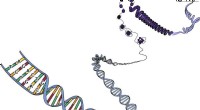
The team focused on a specific type of epigenetic mark knowns as DNA methylation, which involves chemical modifications to the DNA molecule. DNA methylation can turn gene on or off, influencing gene expression and cellular function.
Strikingly, the researchers found that the levels of DNA methylation at certain gene promoters were significantly different in foragers and nurses. These different methylation patterns indicated that gene expression was being regulated in a task -specific manner.
Further investigation revealed that these epigenetic changes were not permanent but rather reversible. When nurses were experimentally induced to become foragers, their methylation patterns shifted to match those of the foragers. Conversely, when foragers were made to adopt nursing roles, their methylation profiles transformed to resemblance those of nurse.
The findings strongly suggested that reversible DNA methylation is involved in regulating the behavioral transitions as individuals shift from one task to another in the bee colony.
The researchers delved deeper into the mechanisms underlying these epigenetic modification and discovered that brain regions associated with cognition showed particularly high levels of the enzyme responsible for DNA methylation.
This finding highlighted the important role of the brain in controlling the epigenetic regulation of behavior.
Overall, the study not only uncovered the molecular link between epigenetic marks and behavioral patterns in social bees but also hinted at potential pathways that environmental cues and social interaction could trigger epigenetic changes.
This research expands our understanding of the molecular mechanisms that govern social behaviours in bees, and potentially in other social insects. Epigenetic might offers a new avenue for investigation in evolutionary biologists, psychologists, and neuroscientists studying the complex behavioral patterns observed across the animal kingdom.