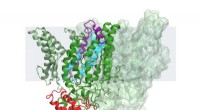
Cells maintain a constant flow of nutrients, proteins, and other important molecules in and out of their interiors through specialized transport stations called translocons. These stations are carefully regulated to ensure that the right molecules get in and out at the right time. But when cells are starving, they change the rules.
In the new study, published in the journal Developmental Cell, the researchers found that when yeast cells are starved of glucose, they hijack their translocons to import a different nutrient called proline. The cells do this by producing a special protein that binds to the translocon and changes its shape, allowing proline to sneak through.
"It's like the cells are reprogramming their transport stations to meet their changing needs," said senior author Dr. David Morgan, professor of biochemistry at the U. This ability to reprogram their translocons could be a key factor in the survival of cells during nutrient deprivation. When cells are starved, they often need to quickly import certain essential nutrients, such as proline, to survive. By hijacking their translocons, cells can bypass the normal regulatory mechanisms that control the flow of molecules in and out of the cell and quickly import the nutrients they need.
The researchers believe that this finding could have implications for the treatment of diseases associated with nutrient overload and abnormal protein transport. For example, in diabetes, cells become overloaded with glucose, which can damage the cells and lead to complications such as heart disease, stroke, and kidney failure. By understanding how cells hijack their translocons to import nutrients, researchers may be able to develop new drugs that can block this process and prevent nutrient overload.
In obesity, cells often have an abnormal amount of protein transport activity, which can lead to the accumulation of toxic proteins in the cells. By understanding how cells regulate their protein transport, researchers may be able to develop new drugs that can correct this abnormal activity and prevent the development of obesity-related diseases.
"Our findings provide new insights into how cells respond to nutrient deprivation and could lead to new treatments for diseases associated with nutrient overload and abnormal protein transport," said Morgan.