Here's a breakdown of what Earth science encompasses:
* Earth systems: This includes studying the interconnectedness of Earth's different spheres:
* Atmosphere: The layer of gases surrounding the Earth.
* Hydrosphere: All the water on Earth, including oceans, lakes, rivers, and groundwater.
* Geosphere: The solid, rocky part of the Earth, including the crust, mantle, and core.
* Biosphere: All living things on Earth, including plants, animals, and microorganisms.
* Earth in space: This includes understanding:
* Earth's place in the solar system: How it formed, its orbit around the Sun, and its relationship to other planets.
* Earth's role in the universe: How Earth fits into the larger cosmic picture.
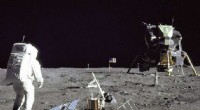
* Space exploration: How humans are exploring and studying space, and how this knowledge helps us understand Earth.
Earth science encompasses a wide range of disciplines, including:
* Geology: The study of Earth's solid, rocky parts.
* Meteorology: The study of the atmosphere and weather.
* Oceanography: The study of the oceans.
* Ecology: The study of the relationships between living organisms and their environment.
* Astronomy: The study of celestial objects and phenomena.
By studying Earth science, we can gain a deeper understanding of our planet, its processes, and its place in the universe. This knowledge is essential for addressing global challenges such as climate change, natural disasters, and resource management.